Turnover. Absenteeism. Rework. Near misses. Grievances. Quality issues. Up to 12 important metrics that matter to your success. And there are problems with every one of them at some point.
Your safety numbers are connected to your turnover numbers. Your engagement numbers are connected to your absenteeism numbers. Quality issues are connected to your succession planning. With apologies to Levitt and Dubner's Freakonomics, there is a single thread that connects them all. Find out why your individual initiatives are only getting modest results.
Inc. magazine just confirmed what we've been warning about for years: only 30% of employees want leadership roles anymore. Your best people are watching fellow employees get promoted and struggle - then deciding "I don't want that job." Here's why this is happening, what it's costing you, and how to fix it before your competitors do.
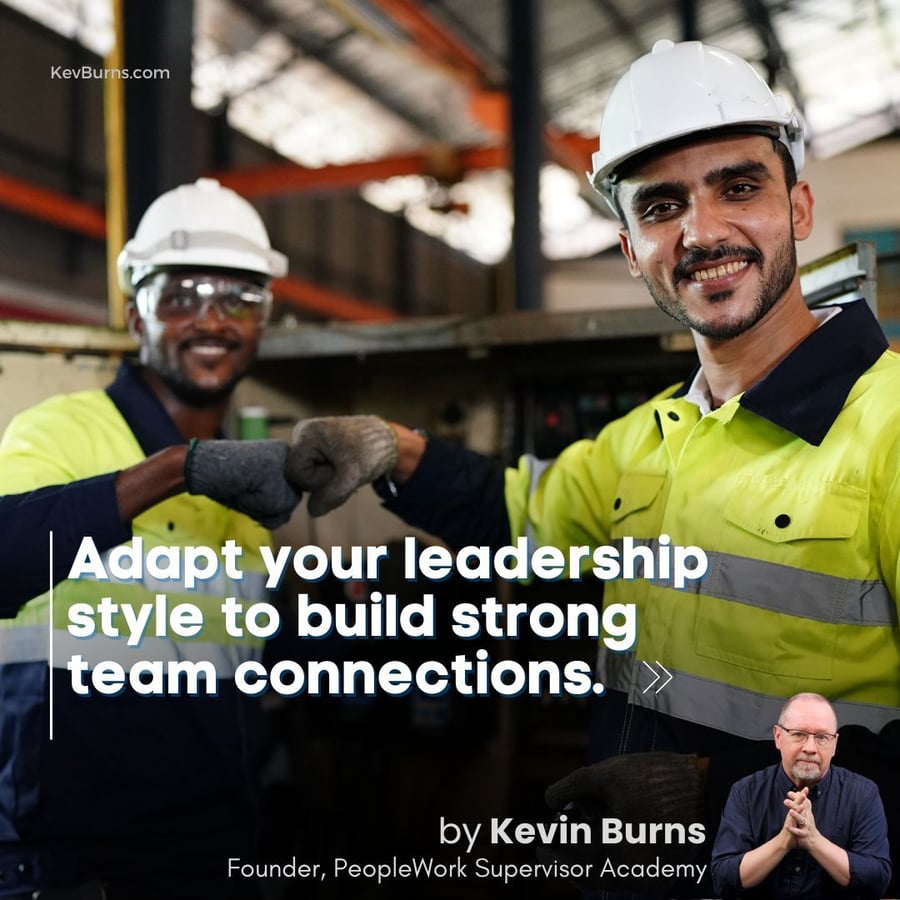
Generic supervision creates generic results. The supervisors who build the strongest teams understand that each person is motivated differently and adapt their approach accordingly. This isn't about playing favorites - it's about being smart enough to speak each person's language and connect with what drives them to perform at their best.
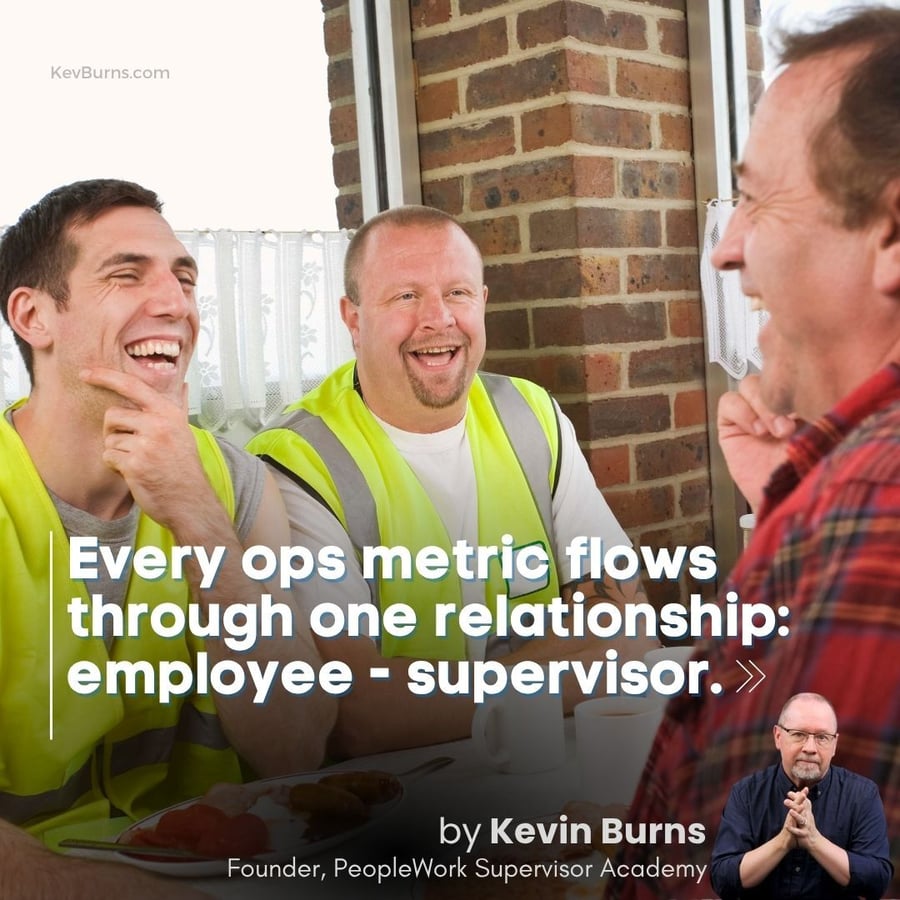
You understand that relationships drive results, but how do you actually build them when you're juggling deadlines and putting out fires? The answer isn't spending more time - it's taking different actions during the time you already spend with your team. These five simple daily practices create the trust, respect, and loyalty that transform team performance.
When your safety numbers are bad, you blame the safety system. When productivity drops, you blame the equipment. When good people quit, you blame the job market. But you're looking in the wrong place. Here's the truth: your operational, safety, and retention problems aren't systems problems. They're relationship problems. And the person who creates or destroys those relationships is your supervisor.
Most industrial companies think their biggest expenses are equipment, materials, and labor costs. They're wrong. There's a hidden expense bleeding millions from their operations every single year—one that never appears on financial statements and rarely gets discussed in board meetings. This silent profit killer is operating right under management's nose, creating chaos in productivity, safety, and morale. The companies that have identified and eliminated this hidden cost are dominating their markets while their competitors struggle to understand why they can't keep up.
Every senior manager knows the pain: you promote your best technical worker to supervisor, then watch helplessly as good employees underperform, then eventually quit, because your new supervisor doesn't know how to lead. The trial-and-error approach to supervisor development isn't just inefficient—it's destroying your teams and killing your safety culture. It's time to identify your real enemy and fight back with proven leadership development that works from day one.
Think your frontline turnover problem requires bigger paychecks? Think again. The real reason your best employees keep walking out the door is less to do with compensation and more with who's leading them daily. Discover how focusing on supervisor skills—not just pay scales—can dramatically reduce turnover costs.