You gave them the title. You gave them the schedule, the paperwork, and the HR contact number. But there is one thing most organizations never give their supervisors when they promote them. And it is the only thing that actually matters.
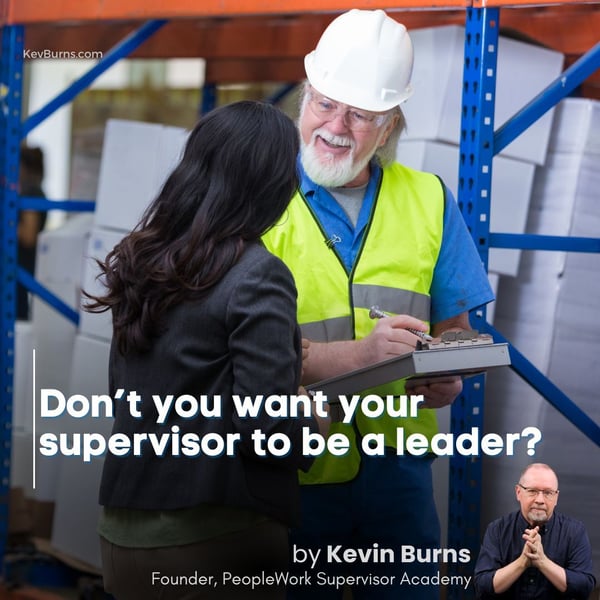
A title does not make a supervisor a leader. That may be hard to hear. But you've seen it. The supervisor whom nobody respects. But they still have the title. And there is always the one person in the crew whom everyone else listens to. Yet, they have no title. The difference between those two people has nothing to do with their position or authority. It has everything to do with their people-skills.
The one with the title relies on authority because it is all they have. They give orders. They enforce rules. They remind people who is in charge (as if they needed reminding). And every time they do, the distance between them and their team grows a little wider. Trust does not come from authority. It never has.
The one without the title does something different. They listen. They show up for their people. They remember names, notice problems, and follow through on what they say. Their team moves for them, not because they have to, but because they want to. That is what people-skills do. They build the kind of trust that no title can manufacture.
"Leadership" Has Been Hijacked
Ask ten people to define "leadership," and you'll get ten different answers. Leadership has become an empty word that people use to mean whatever is convenient at the time. Senior managers call themselves leaders because they sit at the top of an org chart. Yet some lack the very skills that justify the title. LinkedIn posts about "frontline leaders" actually mean supervisors, lead hands, and forepersons who, technically, only become leaders once they've acquired the required skills.
Motivational posters throw the word around like confetti. As an exercise, here are 3 gag-reflex-inducing offenders:
- "Lead. Inspire. Achieve." (From a fortune cookie?)
- "Leadership: Courage over comfort." (Think about that on your next 12-hour shift in a heat advisory.)
- "Leadership Starts Here." (Here, where? Next to the vending machine?)
People-skills are the opposite of a poster. They are practical. They are learned. And they actually work.
In PeopleWork: The Human Touch in Workplace Safety, the point is made plainly: "Being a manager, a supervisor, or safety person doesn't make you a leader. Management is paid. Leadership is earned."
A job title is just an organizational label. It tells you where someone sits in the hierarchy. It tells you nothing about their ability to connect with people, earn their trust, or bring out the best in their team. Calling every supervisor a "leader" doesn't develop anyone. It just inflates their job description.
What Actually Separates a Supervisor from a Leader
A leader is someone their team actually wants to follow. Not because they have to, but because they choose to. A leader earns that loyalty through a genuine connection with every individual on the team. And that connection comes from one thing: people-skills.
Think about the best supervisors you've seen. What made them memorable? It wasn't technical knowledge. It wasn't paperwork. It was how they made people feel. Their ability to listen. To communicate clearly. To treat each person on the team like they mattered. Those are people-skills. And those are what turned an ordinary supervisor into someone worth following.
People-Skills Are Not "Soft." They Are the Job.
One of the most damaging myths is the idea that people-skills are a nice-to-have. That "real" supervisors focus on production and safety metrics and leave the warm-and-fuzzy people stuff to HR.
This thinking has cost companies a lot more than they realize.
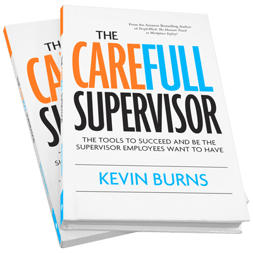
In The CareFull Supervisor, the point is made directly: "An employee's job satisfaction is largely determined by their relationship with their supervisor." Not the company's safety record. Not the benefits package. Not the equipment they're given. Their relationship with the person called "supervisor."
People-skills are not a soft add-on to the job. They are the job. Safety culture, productivity, retention, engagement. All of it flows through the quality of the relationship supervisors build with their team members. When that relationship is strong, team members show up, pay attention, and give their best. When it's weak, they do the minimum and start looking for the exit.
The Promotion Problem Nobody Talks About
Here is where most organizations go wrong. They take their best technical person and promote them to supervisor. And then abandon them. No training. No roadmap for the people side of the job. Just the administrative requirements: paperwork, scheduling, intranet logins, and an HR contact number for when they have questions.
Supervising other people is a completely different skill set. It requires communication, coaching, empathy, and the ability to build trust one conversation at a time. These skills were never taught. Never even mentioned during the promotion conversation. And the people-skills side is 80% of the supervisor's job.
This is not a leadership problem. It is a people-skills development problem. And it is entirely solvable.
The Path from Ordinary to Extraordinary
People-skills can be learned. They are practical, teachable competencies. Any supervisor willing to put in the work can develop them. And when they do, the transformation in their team is remarkable.
This is exactly why the PeopleWork Supervisor Academy was built. Supervisors are promoted without any real preparation for the people-skills side of the job. Then they spend two years struggling through trial and error, experimenting on the very same employees they are expected to lead, while their team pays the price.
The Academy gives supervisors the people-skills they were never given when they were promoted. Communication. Coaching. Connection. Trust-building. The skills that turn a supervisor into a leader whose mission is to make everyone else better. Over 1,000 supervisors have gone through the Academy. What we consistently hear is that the skills developed there change not just how supervisors manage but how they show up for their team every single day.
A title gives you a position. Nothing more. People-skills give you the ability to connect, communicate, build trust, earn respect, and create more future leaders. Without that development, ordinary is exactly what your company should expect. Because why would they be anything else? They haven't been developed yet.
What is the payoff? Not just better supervisors. Better numbers. Across every metric that matters to your operation.
Safety incident rates plummet. Near-miss reporting increases. Team members stick around longer. Absenteeism drops. Productivity, quality, and equipment care rise. Engagement and morale soar. Communication up and down the chain improves. And team members flag problems before they become a crisis.
Every single one of these metrics is directly influenced by the quality of the relationship a supervisor builds with their team.
The PeopleWork Supervisor Academy is the place to start. It was built specifically to give frontline supervisors the people-skills they were never given when they were promoted.
Visit kevburns.com/supervisors to learn more and take the first step.