In nearly 30 years of working with industrial companies, almost every single one has admitted the same thing. They have a communications problem, a departmental silo problem, or heaven help them, both.
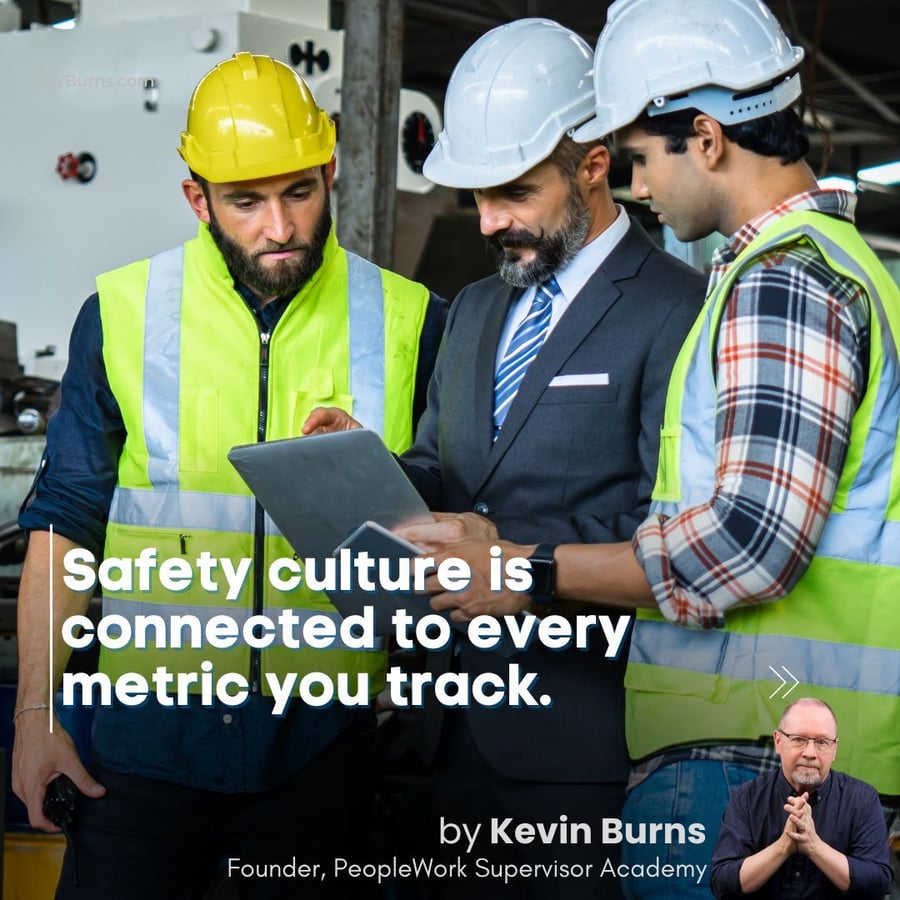
Most companies treat safety culture like it is its own separate problem. It is not. It rises and falls with every metric on your dashboard. And every one of those metrics has the same root cause.
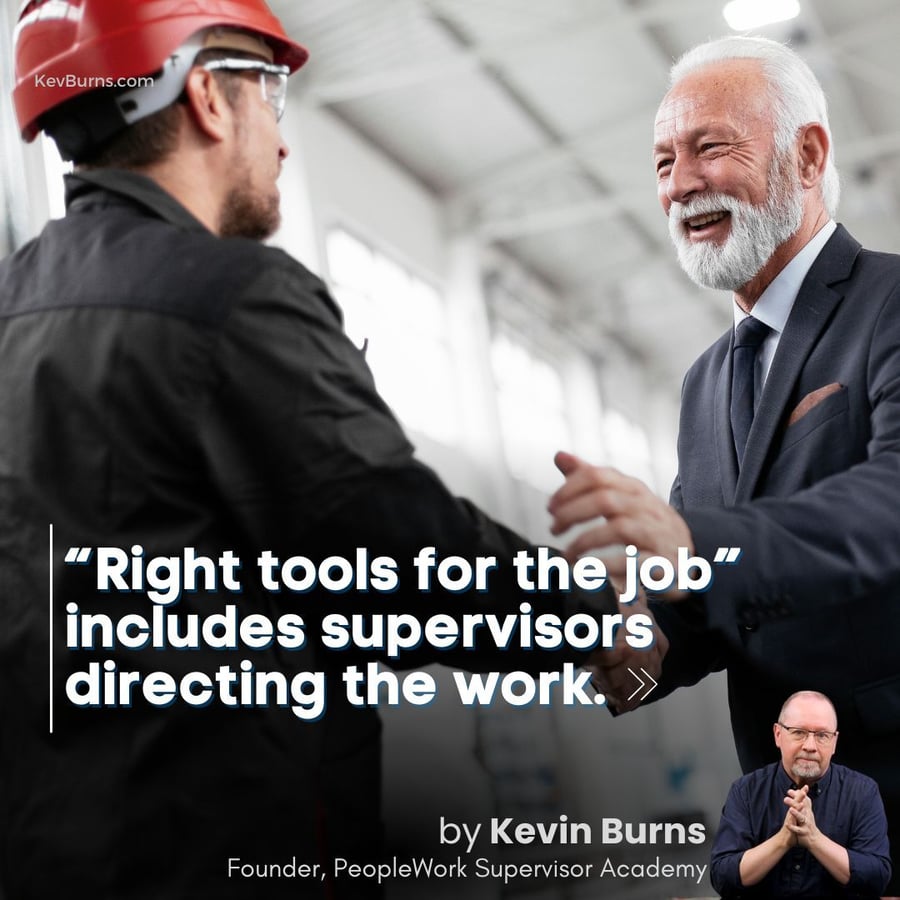
Frontline supervisors want to succeed — but they can't do it without their employer. Here are five things your supervisors actually need from you to build stronger teams, better safety culture, and more consistent production.
You can't build a safety culture by only focusing on safety. Here's the leadership problem that's driving your incident rate, AND turnover, AND productivity, AND engagement, AND a dozen other problems ... including safety.
Your new employees will either embrace or reject your safety culture within their first 90 days. Senior management can set policies and launch initiatives, but they can't create safety culture at the frontline level. New team members are learning something deeper through daily interactions: whether their supervisor genuinely cares about their well-being. The relationship built in those first 90 days determines everything about how that employee approaches safety for their entire time with your company.
Inc. magazine just confirmed what we've been warning about for years: only 30% of employees want leadership roles anymore. Your best people are watching fellow employees get promoted and struggle - then deciding "I don't want that job." Here's why this is happening, what it's costing you, and how to fix it before your competitors do.
Your supervisors are stuck between past company decisions and team members who distrust management. This distrust is showing up in your safety numbers, productivity metrics, and turnover rates. But trained supervisors know how to build individual trust even when company trust has been damaged. They use specific relationship skills to separate their leadership from past leadership and prove through actions that they're different.
When your safety numbers are bad, you blame the safety system. When productivity drops, you blame the equipment. When good people quit, you blame the job market. But you're looking in the wrong place. Here's the truth: your operational, safety, and retention problems aren't systems problems. They're relationship problems. And the person who creates or destroys those relationships is your supervisor.