You'll approve $50,000 for a CEO executive coach without blinking. The same $50,000 could develop 100 frontline supervisors with the people and leadership skills they need to be successful. So why doesn't it?
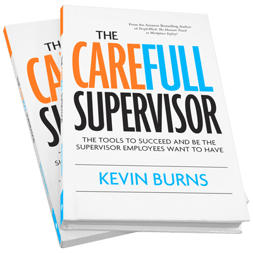
Seven out of eight people don't believe their employers care about them. That's not a soft number. That's the statistic that convinced the CEO of a $3.3 billion company to write a book about it. And the same problem is sitting inside your operation right now. Here's the part nobody in your industry talks about: the word "care" makes senior managers nervous. Say it in a safety meeting and watch the room tighten up. Suddenly everyone's worried they're going to have to look each other in the eyes and talk about their feelings. But you already feel it instantly when someone doesn't care. About you, about the work, about anything. It makes you bristle. So why are we pretending care has no place on the floor? In this week's video, I get into what care actually is. And it's not soft, it's not touchy-feely, and it's not optional. I also get into the three kinds of care every CareFull Supervisor brings to the job. And why the one kind that gets left out of every training program is the one that moves every metric you measure.
There's a high cost of personal relationships you're asking a newly promoted supervisor to give up, but you're not compensating them for it. And it may be the one thing that costs you the most in productivity, safety, and engagement.
Almost every operation has said it at some point. It's probably on a poster in the break room. It gets implied in the Monday meeting, in the safety huddle, in the onboarding package. We're like a family here.
If your safety meetings are falling apart - employees interrupting, side conversations, someone hijacking the agenda - you've probably already tried the obvious fix.
Your safety numbers are connected to your turnover numbers. Your engagement numbers are connected to your absenteeism numbers. Quality issues are connected to your succession planning. With apologies to Levitt and Dubner's Freakonomics, there is a single thread that connects them all. Find out why your individual initiatives are only getting modest results.
Your supervisors work hard. No one is questioning that. But hard work and effective leadership are two different things, and confusing them is costing your operation. This post breaks down the gap between a busy supervisor and an effective one, and what it takes to close it.
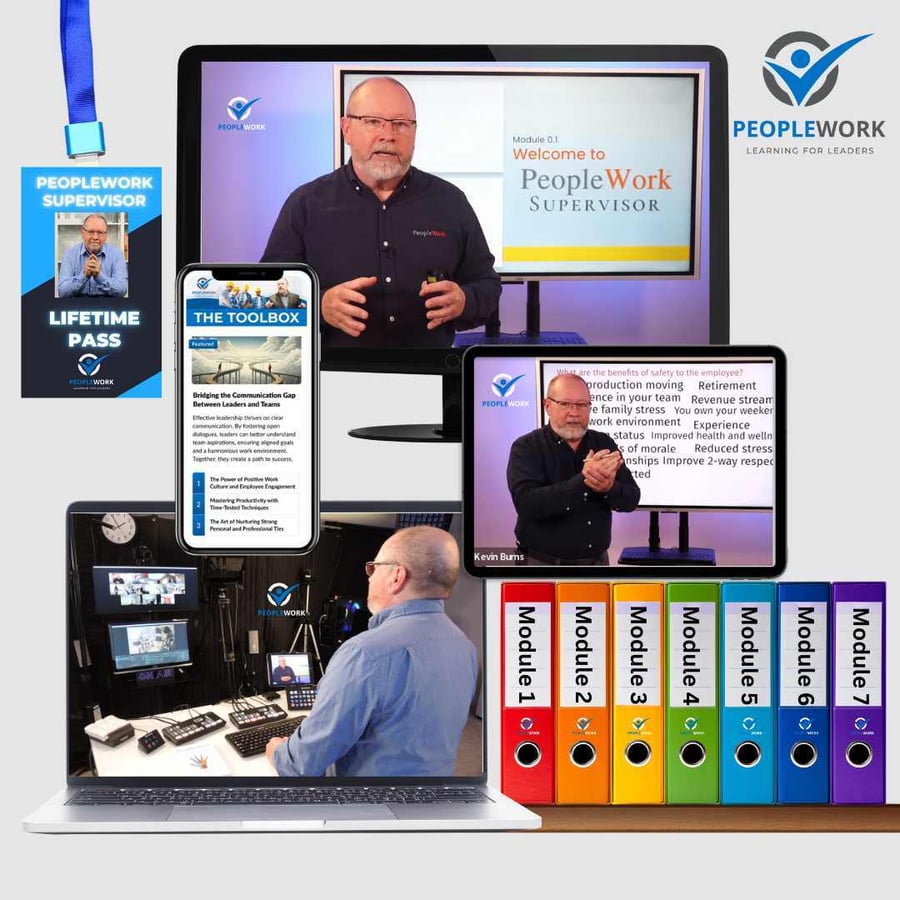
I've been sitting on this for months. Something that's been bugging me about who gets access to our programs — and who doesn't. Today I did something about it.
Frontline supervisors want to succeed — but they can't do it without their employer. Here are five things your supervisors actually need from you to build stronger teams, better safety culture, and more consistent production.